When you’re preparing for exams, writing essays, or simply sharpening your conversational English, a well‑structured list of idioms PDF can be a game‑changer. It offers a ready‑reference, keeps you organized, and lets you study on the go. Below, we walk through common scenarios and show you how to pick the PDF that best fits your goals.
1. A Quick Reference for Classroom Teaching
Teachers often need a concise handout that students can flip through during lessons. Look for a PDF that groups idioms by theme—food, travel, emotions—so that the material stays context‑driven. A clear table format helps students see usage patterns at a glance. If you’re looking for a printable version, the “Vendor List Template” image (adapted for educators) illustrates a clean layout that can be repurposed for your class.
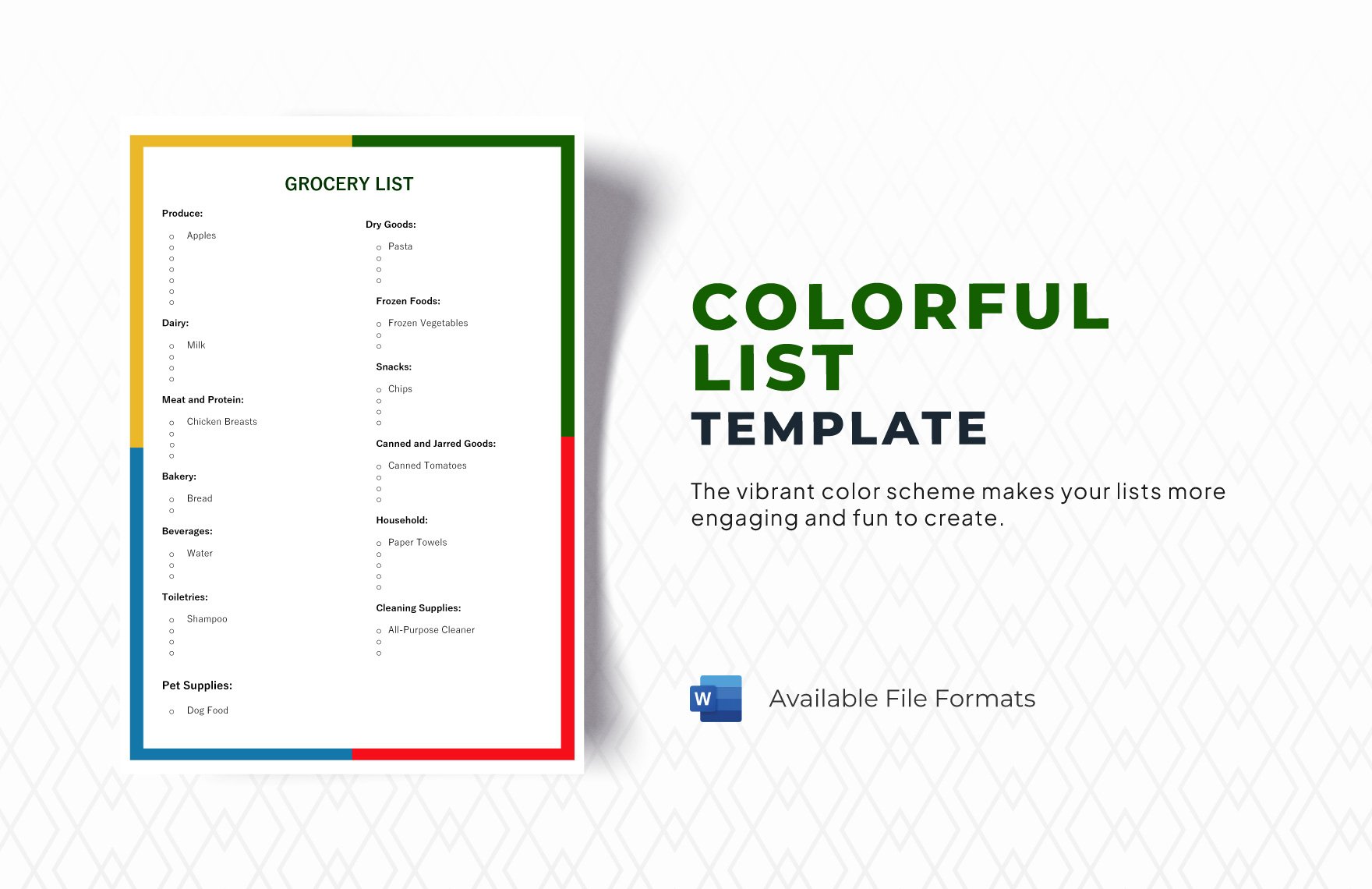
Use this template to insert idioms, definitions, and example sentences. The visual hierarchy makes it easy for students to spot the most common expressions, reinforcing learning without overwhelming them with text.
2. Personal Language Development for Professionals
If your goal is to sound more native in meetings or presentations, choose a PDF that focuses on workplace idioms. These collections include phrases like “hit the ground running” or “think outside the box,” which are frequently used in corporate English.
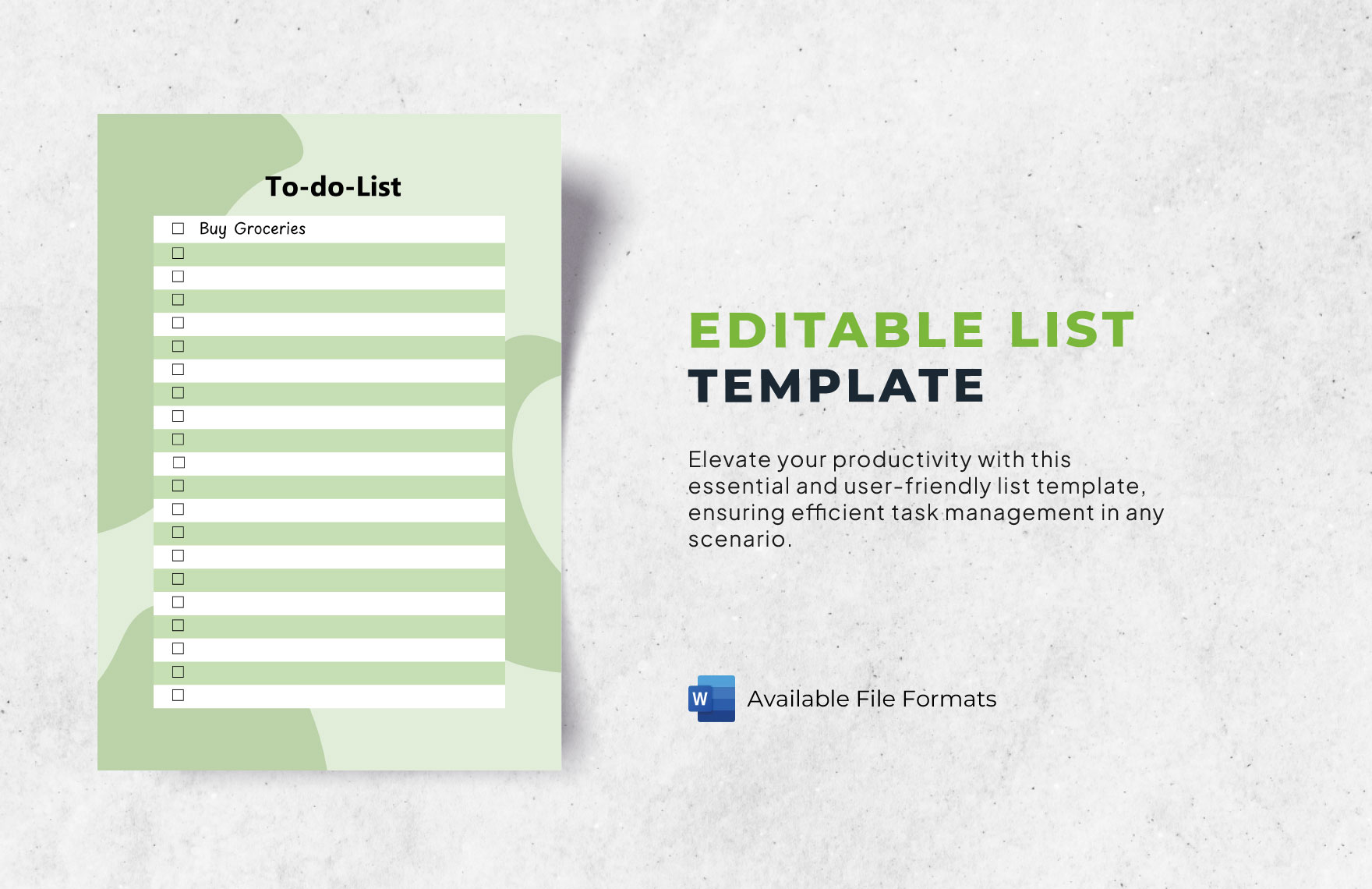
For a self‑paced study plan, pair the idiom list with a daily to‑do checklist. The second image shows a minimalistic planner that can double as a study tracker.
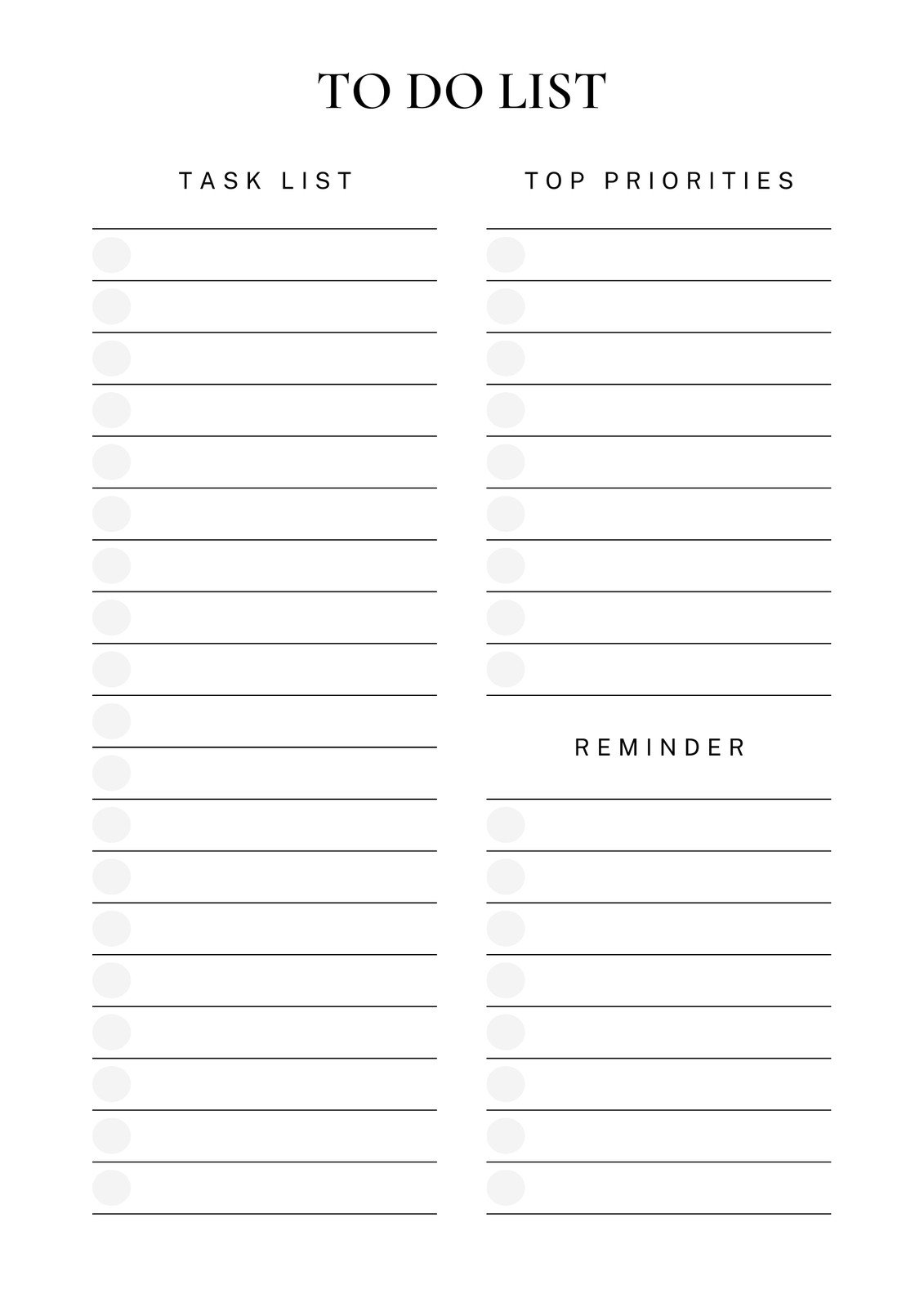
Write each idiom in the “Task” column, add a brief definition in “Details,” and tick it off once you use it in a sentence. This practical approach turns passive reading into active practice.
3. Preparing for Standardized Tests
Standardized exams like the TOEFL or IELTS often feature idiomatic expressions in reading and writing sections. A PDF tailored for test prep should include usage notes, common collocations, and example test questions. When selecting such a document, verify that it aligns with the most recent exam formats and includes practice prompts.
- Comprehension focus: Idioms that appear in news articles or academic texts.
- Writing focus: Idioms that enhance argumentative or descriptive prose.
4. Enhancing Creative Writing
Writers can benefit from a thematic PDF that groups idioms by genre—romantic, humorous, dramatic. This allows you to sprinkle the right expression into dialogue or narrative voice. Look for PDFs that provide cultural context, explaining why certain idioms fit particular scenes.
5. Technical Tips for Customizing Your PDF
Once you’ve chosen a base document, consider these tweaks to make it truly yours:
- Color‑code by difficulty: Use light blue for beginner idioms, yellow for intermediate, and red for advanced.
- Add a “Personal Example” column: Write your own sentence to cement memory.
- Include pronunciation guides: Especially useful for non‑native speakers.
Most modern PDF editors allow you to insert hyperlinks to online dictionaries or video explanations, turning a static list into an interactive study tool.
Conclusion
Whether you’re a teacher, a business professional, a test‑taker, or a creative writer, the right list of idioms PDF can streamline your learning journey. By matching the document’s focus to your specific scenario and customizing it with color coding or personal examples, you create a resource that grows with you. Start with a clear, well‑structured PDF, then adapt it to your needs—your fluency will follow.
When you’re preparing for exams, writing essays, or simply sharpening your conversational English, a well‑structured list of idioms PDF can be a game‑changer. It offers a ready‑reference, keeps you organized, and lets you study on the go. Below, we walk through common scenarios and show you how to pick the PDF that best fits your goals.
1. A Quick Reference for Classroom Teaching
Teachers often need a concise handout that students can flip through during lessons. Look for a PDF that groups idioms by theme—food, travel, emotions—so that the material stays context‑driven. A clear table format helps students see usage patterns at a glance. If you’re looking for a printable version, the “Vendor List Template” image (adapted for educators) illustrates a clean layout that can be repurposed for your class.
Use this template to insert idioms, definitions, and example sentences. The visual hierarchy makes it easy for students to spot the most common expressions, reinforcing learning without overwhelming them with text.
2. Personal Language Development for Professionals
If your goal is to sound more native in meetings or presentations, choose a PDF that focuses on workplace idioms. These collections include phrases like “hit the ground running” or “think outside the box,” which are frequently used in corporate English.
For a self‑paced study plan, pair the idiom list with a daily to‑do checklist. The second image shows a minimalistic planner that can double as a study tracker.
Write each idiom in the “Task” column, add a brief definition in “Details,” and tick it off once you use it in a sentence. This practical approach turns passive reading into active practice.
3. Preparing for Standardized Tests
Standardized exams like the TOEFL or IELTS often feature idiomatic expressions in reading and writing sections. A PDF tailored for test prep should include usage notes, common collocations, and example test questions. When selecting such a document, verify that it aligns with the most recent exam formats and includes practice prompts.
- Comprehension focus: Idioms that appear in news articles or academic texts.
- Writing focus: Idioms that enhance argumentative or descriptive prose.
4. Enhancing Creative Writing
Writers can benefit from a thematic PDF that groups idioms by genre—romantic, humorous, dramatic. This allows you to sprinkle the right expression into dialogue or narrative voice. Look for PDFs that provide cultural context, explaining why certain idioms fit particular scenes.
5. Technical Tips for Customizing Your PDF
Once you’ve chosen a base document, consider these tweaks to make it truly yours:
- Color‑code by difficulty: Use light blue for beginner idioms, yellow for intermediate, and red for advanced.
- Add a “Personal Example” column: Write your own sentence to cement memory.
- Include pronunciation guides: Especially useful for non‑native speakers.
Most modern PDF editors allow you to insert hyperlinks to online dictionaries or video explanations, turning a static list into an interactive study tool.
Conclusion
Whether you’re a teacher, a business professional, a test‑taker, or a creative writer, the right list of idioms PDF can streamline your learning journey. By matching the document’s focus to your specific scenario and customizing it with color coding or personal examples, you create a resource that grows with you. Start with a clear, well‑structured PDF, then adapt it to your needs—your fluency will follow.
Free Ingredients List Template To Edit Online
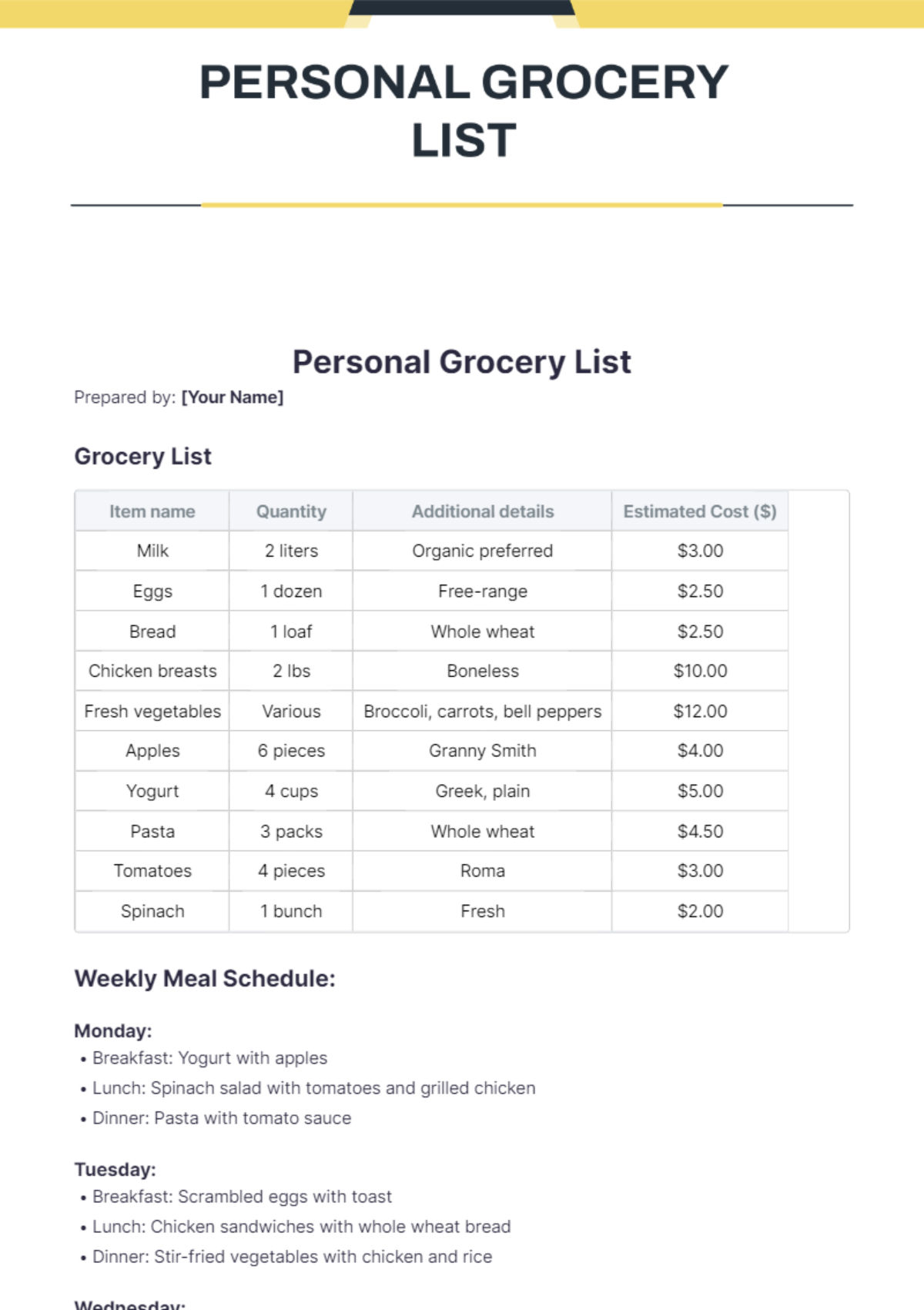
Free Ingredients List Template to Edit Online
Cute To Do List Template Printable
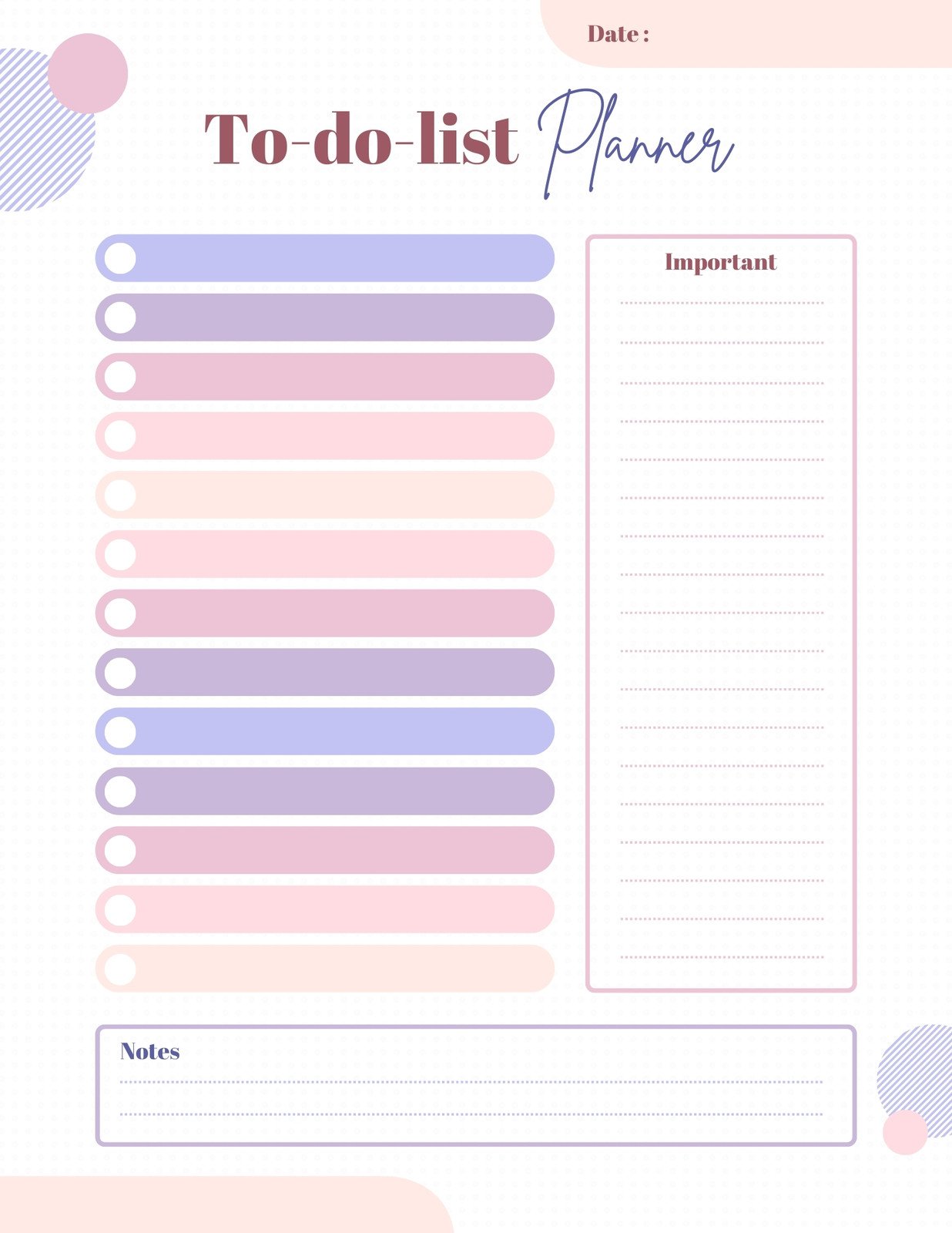
Cute To Do List Template Printable
Client List Template In Excel, Google Sheets - Download | Template.net
Client List Template in Excel, Google Sheets - Download | Template.net