When children start reading stories and watching cartoons, they often stumble upon quirky phrases that sound like magic. These are idioms—short expressions whose meaning isn’t obvious from the individual words. Turning these curious sayings into a hands‑on worksheet can spark curiosity and boost language skills. Below is a step‑by‑step guide to creating engaging idiom worksheets for kids, complete with practical tips and colorful visuals.
Why Idioms Matter in Early Literacy
Idioms are the heart of conversational English. They teach children how native speakers play with language, making writing and speaking richer. A well‑structured worksheet helps kids:
- Recognize common idioms in text.
- Infer meanings from context.
- Use idioms correctly in their own sentences.
- Develop a sense of humor and cultural references.
Because idioms often involve images or familiar situations, pairing them with a visual cue—like a color‑coded chart—makes the learning process tangible.
Choosing Kid‑Friendly Idioms
Start with everyday phrases that children can relate to. Some staples include:
- “Bite the bullet” – to do something tough.
- “Break a leg” – good luck.
- “Cost an arm and a leg” – very expensive.
- “Under the weather” – feeling sick.
- “Piece of cake” – something easy.
Keep the list short for younger learners; a handful of idioms per worksheet avoids overwhelm.
Designing the Worksheet Layout
Use a clean, two‑column format. In the left column, write the idiom and a simple definition. In the right column, give a short story or picture prompt where the idiom could appear. Leave space for students to write their own sentences.
Incorporating a color‑mixing chart helps illustrate how an idiom can “blend” meanings—much like mixing primary colors to create new shades.
Color Mixing Chart: Visual Metaphor for Idioms

Just as primary colors combine to form new hues, basic words combine into idiomatic phrases. Place this chart beside the worksheet so children can see how “red” and “blue” produce “purple,” just as “piece” and “cake” combine into a familiar idiom. The visual reinforces the idea that meaning can shift dramatically when words unite.
Worksheet Example: “Piece of Cake”
Step 1: Match the Idiom to a Picture
Draw a simple cake and ask children to write a sentence using the idiom. For instance, “The math test was a piece of cake for Emma.”
Step 2: Context Clues
Provide a short paragraph where the idiom is hidden: “After months of practice, the piano recital felt like a piece of cake.” Ask students to highlight the idiom and explain why it fits.
Interactive Activities to Complement the Worksheet
- Idiom Bingo: Create a bingo card with idioms and call out definitions. Kids mark the corresponding phrase.
- Role‑Play Skits: Assign each child an idiom to act out in a short scene.
- Story Builder: Start a story and let kids insert idioms where appropriate.
These activities turn passive reading into active participation, cementing understanding.
Printable Resources and Where to Find Them
Teachers and parents can download ready‑made worksheets from educational websites. When choosing a template, look for:
- Clear headings and plenty of white space.
- Age‑appropriate language and illustrations.
- Space for creative writing.
For a more visual approach, use a printed color chart from the worksheets library to help explain how colors and idioms can mix to produce new ideas.
Tips for Parents and Educators
- Reinforce daily: Mention idioms in casual conversation to build familiarity.
- Encourage journaling: Have children write a short paragraph each week using at least two new idioms.
- Use technology: Digital quizzes can adapt to a child’s pace and provide instant feedback.
- Celebrate mistakes: Mistyped idioms are learning moments; discuss alternative meanings.
Conclusion
Idioms add color to language, much like a well‑chosen palette enhances a painting. By blending simple explanations with visual aids and interactive tasks, an idiom worksheet for kids becomes more than a worksheet—it becomes a gateway to richer communication and cultural insight. Try one of the templates above, add your own creative twist, and watch your child’s confidence grow as they navigate the playful world of idiomatic English.
When children start reading stories and watching cartoons, they often stumble upon quirky phrases that sound like magic. These are idioms—short expressions whose meaning isn’t obvious from the individual words. Turning these curious sayings into a hands‑on worksheet can spark curiosity and boost language skills. Below is a step‑by‑step guide to creating engaging idiom worksheets for kids, complete with practical tips and colorful visuals.
Why Idioms Matter in Early Literacy
Idioms are the heart of conversational English. They teach children how native speakers play with language, making writing and speaking richer. A well‑structured worksheet helps kids:
- Recognize common idioms in text.
- Infer meanings from context.
- Use idioms correctly in their own sentences.
- Develop a sense of humor and cultural references.
Because idioms often involve images or familiar situations, pairing them with a visual cue—like a color‑coded chart—makes the learning process tangible.
Choosing Kid‑Friendly Idioms
Start with everyday phrases that children can relate to. Some staples include:
- “Bite the bullet” – to do something tough.
- “Break a leg” – good luck.
- “Cost an arm and a leg” – very expensive.
- “Under the weather” – feeling sick.
- “Piece of cake” – something easy.
Keep the list short for younger learners; a handful of idioms per worksheet avoids overwhelm.
Designing the Worksheet Layout
Use a clean, two‑column format. In the left column, write the idiom and a simple definition. In the right column, give a short story or picture prompt where the idiom could appear. Leave space for students to write their own sentences.
Incorporating a color‑mixing chart helps illustrate how an idiom can “blend” meanings—much like mixing primary colors to create new shades.
Color Mixing Chart: Visual Metaphor for Idioms
Just as primary colors combine to form new hues, basic words combine into idiomatic phrases. Place this chart beside the worksheet so children can see how “red” and “blue” produce “purple,” just as “piece” and “cake” combine into a familiar idiom. The visual reinforces the idea that meaning can shift dramatically when words unite.
Worksheet Example: “Piece of Cake”
Step 1: Match the Idiom to a Picture
Draw a simple cake and ask children to write a sentence using the idiom. For instance, “The math test was a piece of cake for Emma.”
Step 2: Context Clues
Provide a short paragraph where the idiom is hidden: “After months of practice, the piano recital felt like a piece of cake.” Ask students to highlight the idiom and explain why it fits.
Interactive Activities to Complement the Worksheet
- Idiom Bingo: Create a bingo card with idioms and call out definitions. Kids mark the corresponding phrase.
- Role‑Play Skits: Assign each child an idiom to act out in a short scene.
- Story Builder: Start a story and let kids insert idioms where appropriate.
These activities turn passive reading into active participation, cementing understanding.
Printable Resources and Where to Find Them
Teachers and parents can download ready‑made worksheets from educational websites. When choosing a template, look for:
- Clear headings and plenty of white space.
- Age‑appropriate language and illustrations.
- Space for creative writing.
For a more visual approach, use a printed color chart from the worksheets library to help explain how colors and idioms can mix to produce new ideas.
Tips for Parents and Educators
- Reinforce daily: Mention idioms in casual conversation to build familiarity.
- Encourage journaling: Have children write a short paragraph each week using at least two new idioms.
- Use technology: Digital quizzes can adapt to a child’s pace and provide instant feedback.
- Celebrate mistakes: Mistyped idioms are learning moments; discuss alternative meanings.
Conclusion
Idioms add color to language, much like a well‑chosen palette enhances a painting. By blending simple explanations with visual aids and interactive tasks, an idiom worksheet for kids becomes more than a worksheet—it becomes a gateway to richer communication and cultural insight. Try one of the templates above, add your own creative twist, and watch your child’s confidence grow as they navigate the playful world of idiomatic English.
Printed Color Chart - Worksheets Library
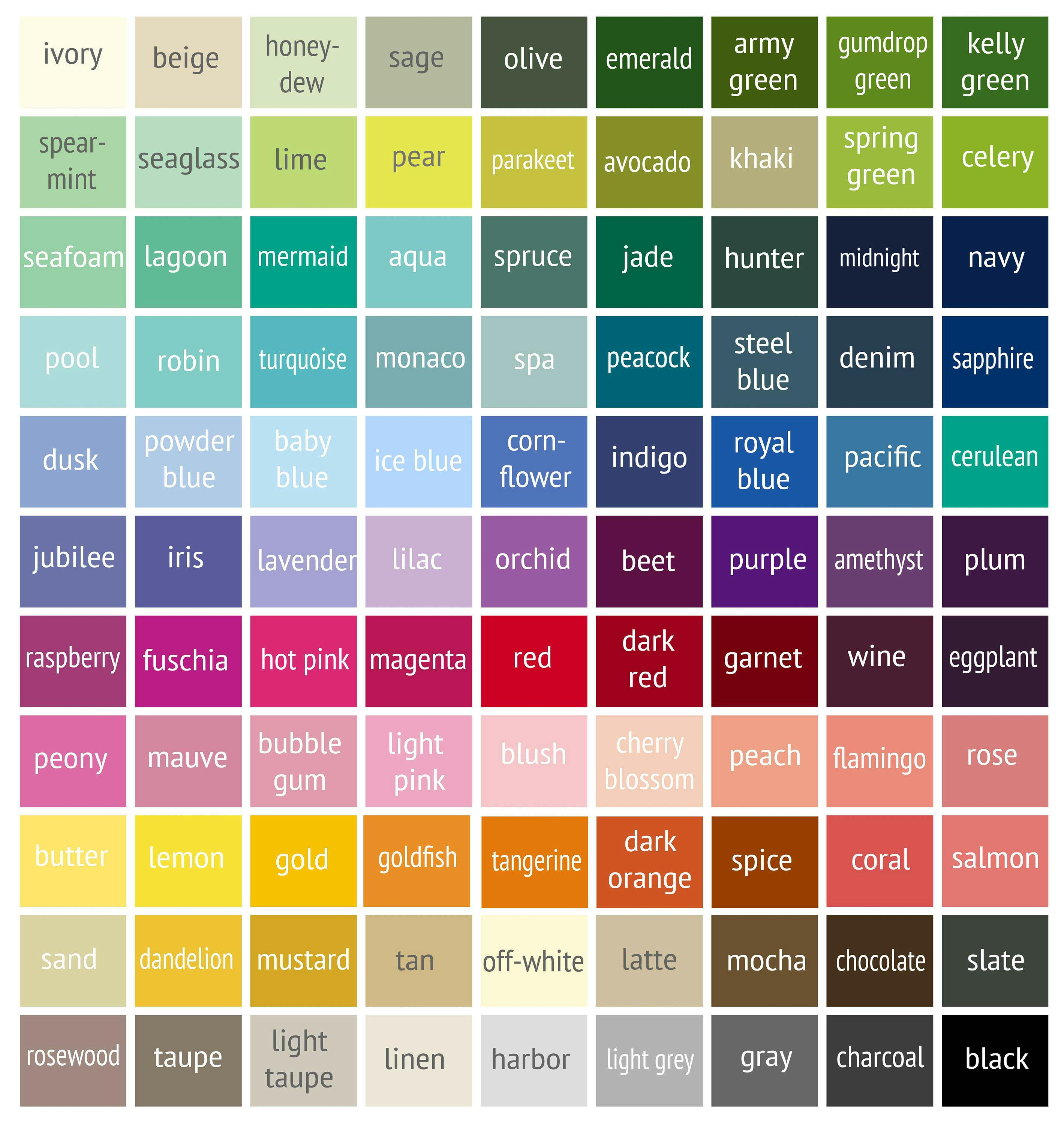
Printed Color Chart - Worksheets Library