Imagine stepping into an English‑speaking café and feeling ready to order, ask for directions, or chat with a barista. A well‑structured PDF filled with everyday phrases can bridge that confidence gap. This guide explains the pros and trade‑offs of using a ready‑made PDF, offers realistic expectations, and shows you how to make the most of the material.
What Makes a “Daily Use” PDF Different from a Standard Phrasebook?
A daily‑use PDF is curated for the most common, high‑frequency expressions you’ll encounter in everyday life—from greeting someone to asking for help. Unlike a textbook that dives into grammar, this format focuses on conversational snippets that you can drop into speech or write in a note. It’s like having a pocket guide that you can skim at a glance.
How Reliable Are the Images in a PDF for Learning?

The clipart included in many PDFs serves a dual purpose: it breaks up text and reinforces visual memory. A simple icon—say, a coffee cup for “Can I get a coffee, please?”—helps you link the phrase to a real‑world context. Visual cues can accelerate recall, especially when you’re a visual learner.
Can a PDF Replace Interactive Practice?
- Pros: Instant access, no internet needed, easy to annotate.
- Cons: No real‑time feedback, limited opportunities to test pronunciation.
Think of the PDF as the foundation. Pair it with a language partner or a voice‑recording app to hear how native speakers stress the words. The worksheet image below illustrates a typical exercise that encourages active use.
What Kind of Exercises Should I Look for?

Good daily‑use PDFs include fill‑in‑the‑blanks, matching, or role‑play prompts. For instance, a section might ask you to complete: “When you arrive late, say ___.” The answer “I’m sorry, I’m running late.” trains you to use polite apologies in real situations. The more varied the exercises, the better you’ll internalize the phrases.
How Often Should I Revisit the PDF to See Progress?
Set a simple rhythm: review a handful of new phrases every week and then quiz yourself after a month. Use spaced repetition: write a phrase on a flashcard, test yourself, and review it the next day, then three days later, then a week. By the time you’re ready for a trip or a job interview, those expressions will feel almost automatic.
What If the PDF Is Too Generic for My Needs?
Many PDFs are generic, but you can customize them. Highlight sections that match your upcoming activities—shopping, dining, or commuting—and create a personalized “cheat sheet.” If the PDF includes a printable worksheet, print it, color-code, and add your own notes. This hands‑on editing turns a static document into an active learning tool.
Can I Use the PDF Across Different Devices?
Absolutely. PDF readers on smartphones, tablets, or laptops let you zoom, annotate, and even add sticky notes. Some apps allow you to export your annotations to cloud storage, so you can carry your learning progress everywhere. This portability means you can practice while commuting or waiting in line.
In sum, an “English phrases for daily use PDF” is a lightweight, versatile companion for beginners. It offers instant, context‑rich language snippets, visual reinforcement, and practice exercises—all in one portable file. By treating it as a launchpad and complementing it with spoken practice, you’ll turn those phrases from written lines into living conversations.
Imagine stepping into an English‑speaking café and feeling ready to order, ask for directions, or chat with a barista. A well‑structured PDF filled with everyday phrases can bridge that confidence gap. This guide explains the pros and trade‑offs of using a ready‑made PDF, offers realistic expectations, and shows you how to make the most of the material.
What Makes a “Daily Use” PDF Different from a Standard Phrasebook?
A daily‑use PDF is curated for the most common, high‑frequency expressions you’ll encounter in everyday life—from greeting someone to asking for help. Unlike a textbook that dives into grammar, this format focuses on conversational snippets that you can drop into speech or write in a note. It’s like having a pocket guide that you can skim at a glance.
How Reliable Are the Images in a PDF for Learning?
The clipart included in many PDFs serves a dual purpose: it breaks up text and reinforces visual memory. A simple icon—say, a coffee cup for “Can I get a coffee, please?”—helps you link the phrase to a real‑world context. Visual cues can accelerate recall, especially when you’re a visual learner.
Can a PDF Replace Interactive Practice?
- Pros: Instant access, no internet needed, easy to annotate.
- Cons: No real‑time feedback, limited opportunities to test pronunciation.
Think of the PDF as the foundation. Pair it with a language partner or a voice‑recording app to hear how native speakers stress the words. The worksheet image below illustrates a typical exercise that encourages active use.
What Kind of Exercises Should I Look for?
Good daily‑use PDFs include fill‑in‑the‑blanks, matching, or role‑play prompts. For instance, a section might ask you to complete: “When you arrive late, say ___.” The answer “I’m sorry, I’m running late.” trains you to use polite apologies in real situations. The more varied the exercises, the better you’ll internalize the phrases.
How Often Should I Revisit the PDF to See Progress?
Set a simple rhythm: review a handful of new phrases every week and then quiz yourself after a month. Use spaced repetition: write a phrase on a flashcard, test yourself, and review it the next day, then three days later, then a week. By the time you’re ready for a trip or a job interview, those expressions will feel almost automatic.
What If the PDF Is Too Generic for My Needs?
Many PDFs are generic, but you can customize them. Highlight sections that match your upcoming activities—shopping, dining, or commuting—and create a personalized “cheat sheet.” If the PDF includes a printable worksheet, print it, color-code, and add your own notes. This hands‑on editing turns a static document into an active learning tool.
Can I Use the PDF Across Different Devices?
Absolutely. PDF readers on smartphones, tablets, or laptops let you zoom, annotate, and even add sticky notes. Some apps allow you to export your annotations to cloud storage, so you can carry your learning progress everywhere. This portability means you can practice while commuting or waiting in line.
In sum, an “English phrases for daily use PDF” is a lightweight, versatile companion for beginners. It offers instant, context‑rich language snippets, visual reinforcement, and practice exercises—all in one portable file. By treating it as a launchpad and complementing it with spoken practice, you’ll turn those phrases from written lines into living conversations.
Bộ Sưu Tập English Background Design Cho Các Trang Web Học Tiếng Anh

Bộ sưu tập English background design cho các trang web học tiếng Anh
English Background Images
English Background Images
Being English – Being Meaning In English – KAHQ
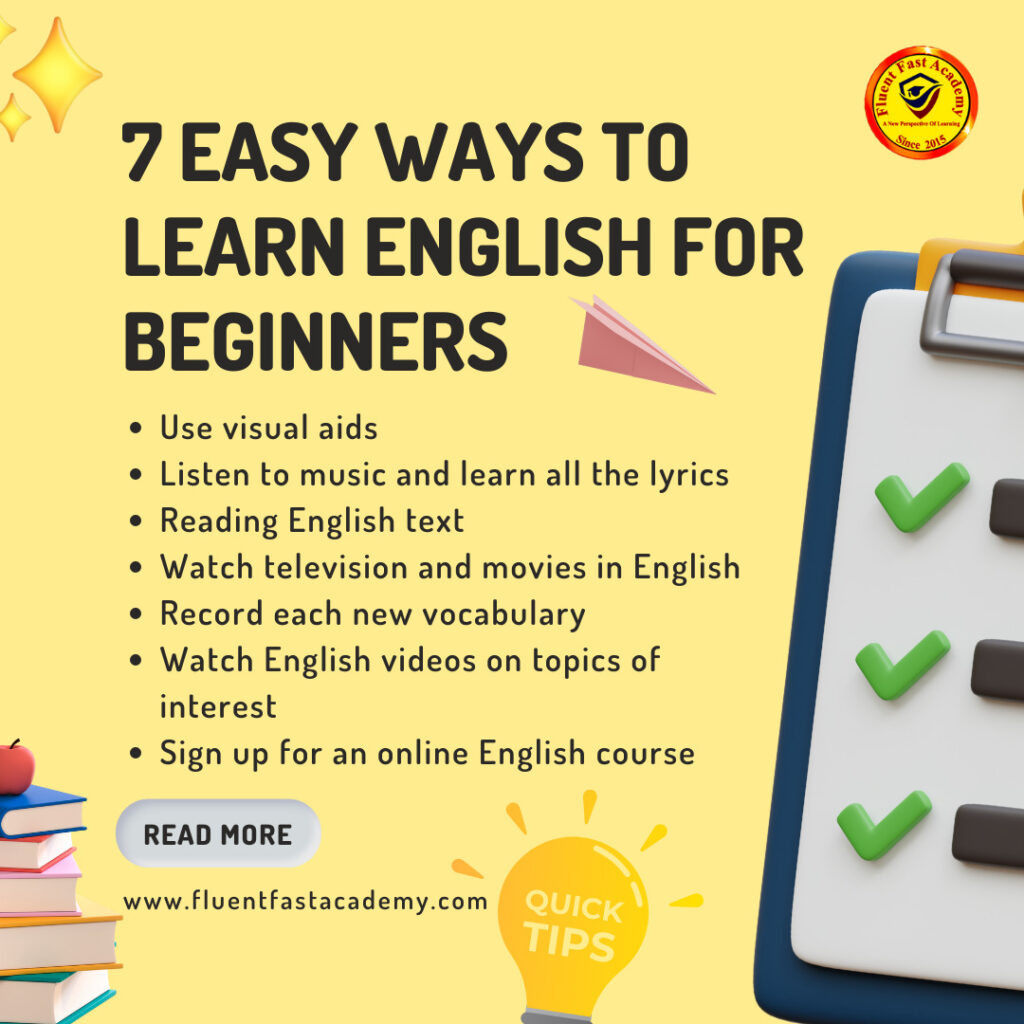
Being English – Being Meaning In English – KAHQ