We all love a good idiom to spice up conversation, but many of us stumble over the wrong expression or use one that feels forced. In this guide, I’ll walk you through the most common pitfalls, show you how to choose the right phrase for the right context, and give you practical alternatives that sound natural to your listeners.
Knowing When Idioms Feel Out of Place
Idioms are great, but they’re not a one‑size‑fits‑all tool. If you drop a phrase in a setting that demands precision—like a technical discussion, a legal brief, or a scientific presentation—the idiom will feel out of place. For example, saying “Let’s touch base” in a meeting about a new USB‑C cable design can confuse colleagues who expect concrete metrics. Instead, opt for clear verbs: “Let’s review the specifications.”
Common Mistakes in Everyday Idiom Use
- Using “It’s raining cats and dogs” in a weather report about a light drizzle. The image of a downpour feels exaggerated. Stick to “It’s pouring” or “There’s a light shower.”
- Stating “He’s a real piece of work” when describing a colleague’s hard job. The phrase is often interpreted as a negative remark. Replace it with “He’s a true workhorse.”
- Saying “We’re on the same page” in a bilingual team chat where one member speaks only English. The phrase can be misread as an invitation to literally read a page. Clarify with “We’re aligned on this goal.”
Smart Alternatives to Overused Idioms
Sometimes the classic idiom is fine, but you can upgrade it to sound fresher or more precise. Below are three pairs that keep the spirit but improve clarity.
- Instead of “Pull the plug,” say “Terminate the project.”
- Swap “Hit the nail on the head” with “You’ve identified the core issue.”
- Replace “Break the ice” with “Initiate a friendly conversation.”
Idioms in Business Communication
Business writing benefits from idioms that convey confidence and teamwork without sounding flippant. When proposing a new USB‑C charger design, you might say:
“We’re taking the bull by the horns—let’s prototype this cable for the next quarter.”
This phrase shows initiative while keeping the tone professional. Avoid more informal options like “Let’s jump on this,” which can feel too casual for a formal board meeting.
Idioms for Everyday Interactions
In daily life, idioms help us connect quickly. Here’s how to use them naturally:
- “Kick the bucket” when talking about retirement: “He’s finally ready to kick the bucket and travel.”
- “Under the weather” to describe a mild illness: “I’m feeling a bit under the weather today, so I’ll skip the office.”
- “Bite the bullet” when making a tough decision: “I’ll bite the bullet and ask for a salary raise.”
Practice Makes Perfect
To master idioms, keep a small notebook of phrases you encounter daily. Write the idiom, its meaning, and a sentence where you could use it. Review it weekly, and challenge yourself to replace a literal phrase with an idiom in a casual chat. Over time, the correct usage will become second nature, and your conversations will sound more authentic and engaging.
We all love a good idiom to spice up conversation, but many of us stumble over the wrong expression or use one that feels forced. In this guide, I’ll walk you through the most common pitfalls, show you how to choose the right phrase for the right context, and give you practical alternatives that sound natural to your listeners.
Knowing When Idioms Feel Out of Place
Idioms are great, but they’re not a one‑size‑fits‑all tool. If you drop a phrase in a setting that demands precision—like a technical discussion, a legal brief, or a scientific presentation—the idiom will feel out of place. For example, saying “Let’s touch base” in a meeting about a new USB‑C cable design can confuse colleagues who expect concrete metrics. Instead, opt for clear verbs: “Let’s review the specifications.”
Common Mistakes in Everyday Idiom Use
- Using “It’s raining cats and dogs” in a weather report about a light drizzle. The image of a downpour feels exaggerated. Stick to “It’s pouring” or “There’s a light shower.”
- Stating “He’s a real piece of work” when describing a colleague’s hard job. The phrase is often interpreted as a negative remark. Replace it with “He’s a true workhorse.”
- Saying “We’re on the same page” in a bilingual team chat where one member speaks only English. The phrase can be misread as an invitation to literally read a page. Clarify with “We’re aligned on this goal.”
Smart Alternatives to Overused Idioms
Sometimes the classic idiom is fine, but you can upgrade it to sound fresher or more precise. Below are three pairs that keep the spirit but improve clarity.
- Instead of “Pull the plug,” say “Terminate the project.”
- Swap “Hit the nail on the head” with “You’ve identified the core issue.”
- Replace “Break the ice” with “Initiate a friendly conversation.”
Idioms in Business Communication
Business writing benefits from idioms that convey confidence and teamwork without sounding flippant. When proposing a new USB‑C charger design, you might say:
“We’re taking the bull by the horns—let’s prototype this cable for the next quarter.”
This phrase shows initiative while keeping the tone professional. Avoid more informal options like “Let’s jump on this,” which can feel too casual for a formal board meeting.
Idioms for Everyday Interactions
In daily life, idioms help us connect quickly. Here’s how to use them naturally:
- “Kick the bucket” when talking about retirement: “He’s finally ready to kick the bucket and travel.”
- “Under the weather” to describe a mild illness: “I’m feeling a bit under the weather today, so I’ll skip the office.”
- “Bite the bullet” when making a tough decision: “I’ll bite the bullet and ask for a salary raise.”
Practice Makes Perfect
To master idioms, keep a small notebook of phrases you encounter daily. Write the idiom, its meaning, and a sentence where you could use it. Review it weekly, and challenge yourself to replace a literal phrase with an idiom in a casual chat. Over time, the correct usage will become second nature, and your conversations will sound more authentic and engaging.
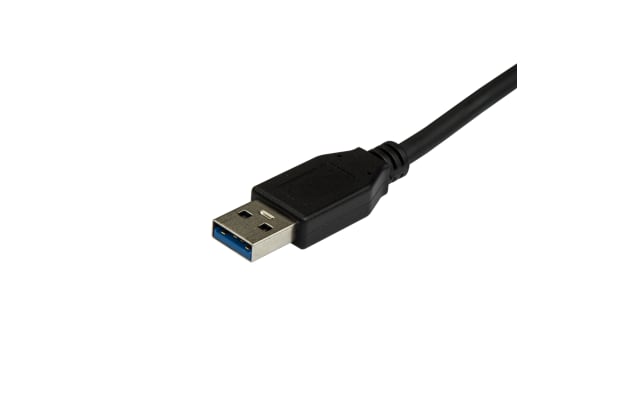
USB Type-A Connector Uses And Compatibility
:max_bytes(150000):strip_icc()/usb-extension-cable-57c768dc3df78c71b6566b04.jpg)
USB Type-A Connector Uses and Compatibility
Complete Guide To USB Cables And Their Uses
Complete Guide to USB Cables and Their Uses
USB Type-A Connector Uses And Compatibility
:max_bytes(150000):strip_icc()/usb-type-a-connector-2626032-ecdc8dcdeebb4a3989eb0e1818bacd9b.png)
USB Type-A Connector Uses and Compatibility